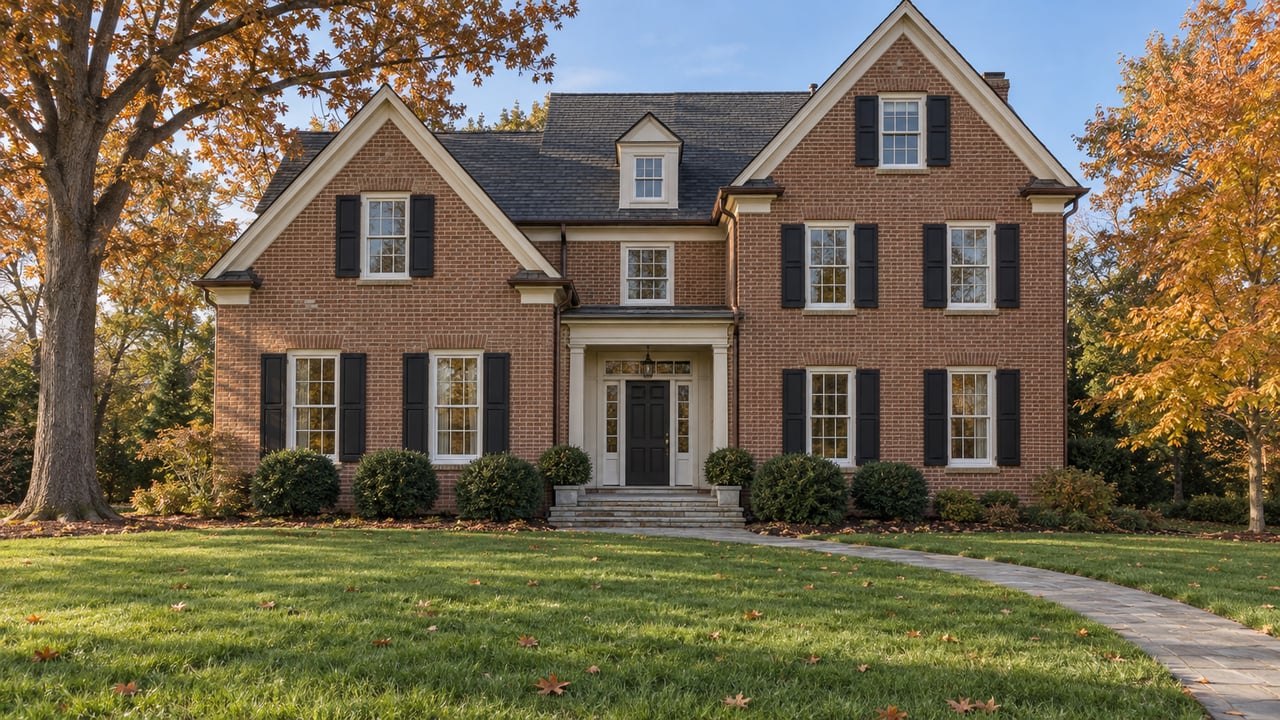
Are you dreaming about your first piece of land and wondering if Big Island is the kind of place where that dream can actually work? That is a smart question, because buying acreage is very different from buying a typical residential lot. In Big Island, your success often comes down to zoning, terrain, utilities, and long-term fit just as much as price. This guide will help you weigh the pros, spot the risks, and decide whether Big Island makes sense for your first acreage purchase. Let’s dive in.
Why Big Island Appeals to Acreage Buyers
Big Island sits in Bedford County along the James River corridor, giving it a rural setting that feels tied to both open land and outdoor recreation. County planning documents place Big Island on the north side of the county, and the area is part of a broader landscape shaped by farmland, forest, and river access.
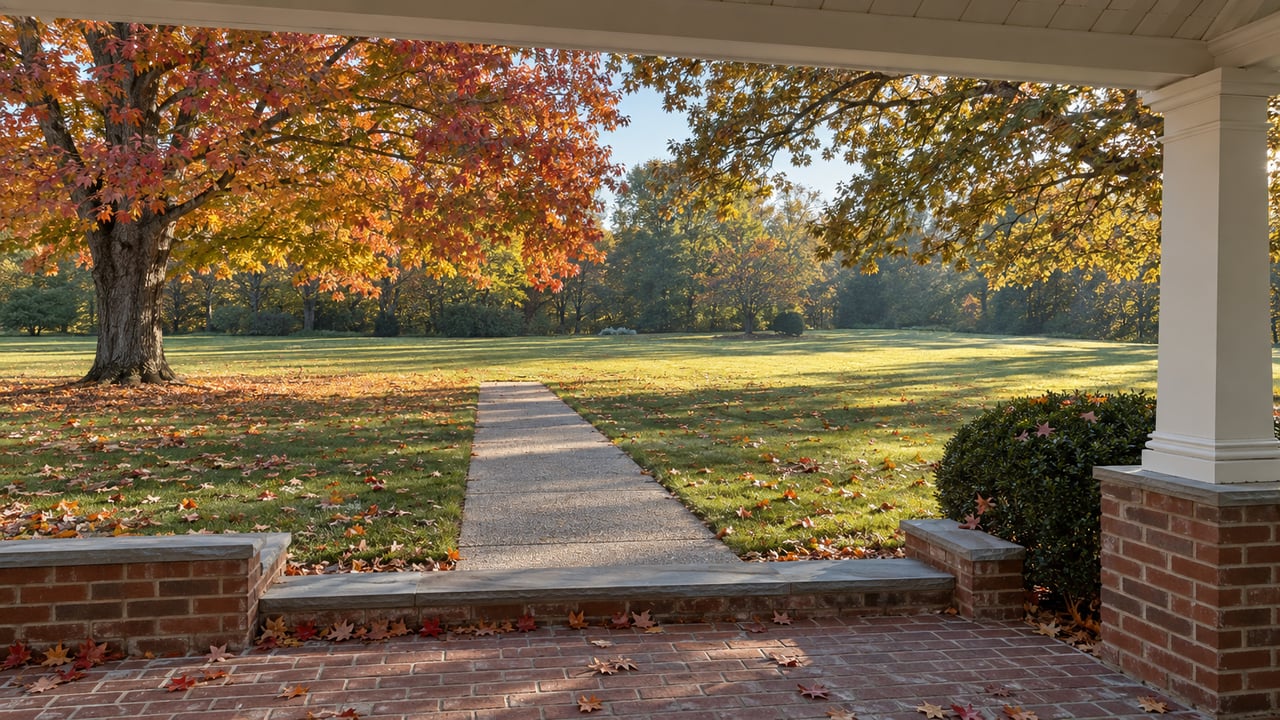
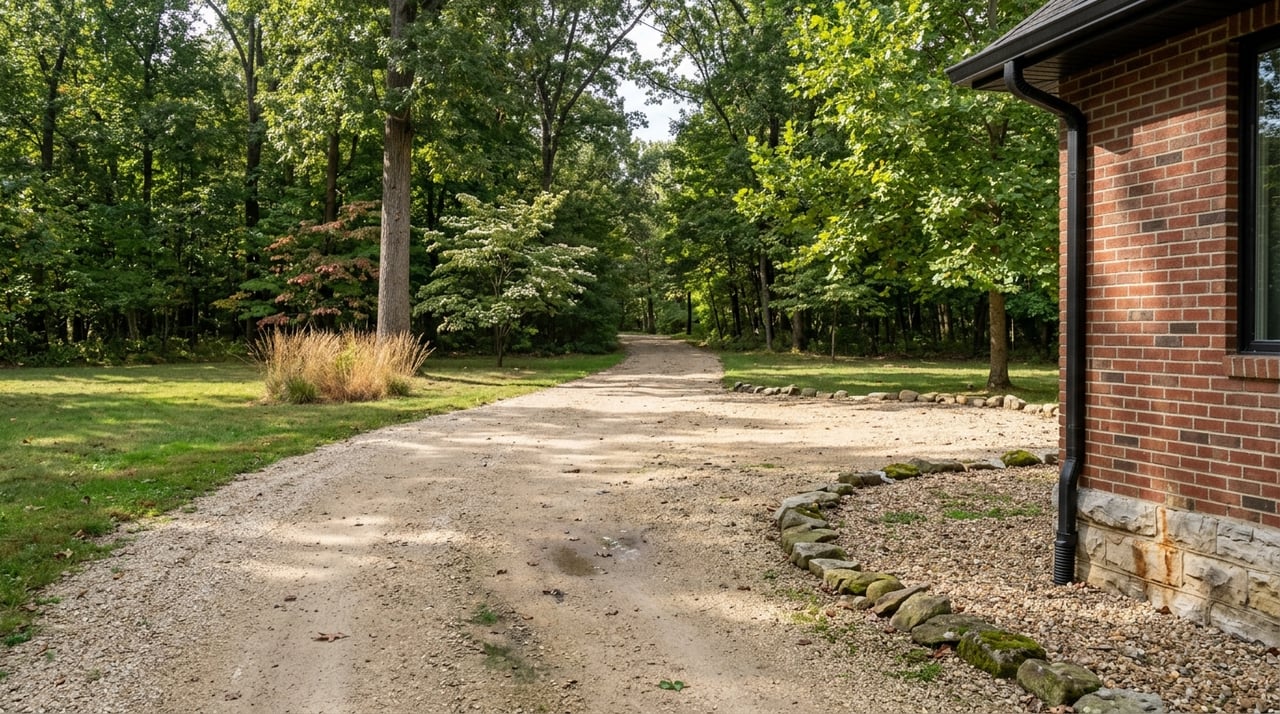
If you want space, privacy, and a more natural setting, Big Island can check a lot of boxes. Bedford County’s land-use policies also strongly support preserving farmland, forested land, open space, and rural character, which helps explain why the area feels different from more built-up markets.
For a first-time acreage buyer, that rural character can be the main attraction. It can also be the biggest adjustment, especially if you are used to public utilities, flatter homesites, or suburban-style infrastructure.
What the Local Land Market Looks Like
Recent listing snapshots suggest Big Island is seeing more small-to-mid-size rural homesites than massive estate tracts. Active land listings have included parcels from about 1.0 to 12.35 acres in Big Island, plus a nearby 35.63-acre tract in Coleman Falls.
That matters because many first-time land buyers assume acreage starts at a very large number. In this area, local zoning patterns suggest that may not be necessary. Bedford County’s zoning appendix sets minimum lot area at 1.5 acres in the AP district and 1 acre in the AR district.
In simple terms, you may be able to find a parcel that gives you elbow room without taking on more land than you want to maintain. That can make Big Island more approachable for a first purchase, especially if your goal is a homesite rather than a large working tract.
Why Terrain Matters More Than Acre Count
A five-acre parcel can feel very different depending on slope, tree cover, and drainage. Bedford County sits within a mountain-influenced landscape, and nearby wilderness elevations range from 650 to 3,073 feet, which tells you the terrain is not just gently rolling everywhere.
That is why first-time acreage buyers should look beyond the listing headline. A parcel with less usable ground may create more challenges for building, driveway placement, drainage, and future maintenance than a slightly smaller but more practical lot.
If you are comparing properties, ask yourself how much of the land you can actually use the way you want. Flat buildable space, access to the homesite, and runoff patterns may matter more than having a few extra acres on paper.
River Access Is a Real Advantage
Big Island’s location near the James River is part of its appeal. Virginia’s James River guide includes the Shores/Big Island Boat Landing among area access points, which can be a real plus if you enjoy kayaking, fishing, or spending time on the water.
That said, river access and riverfront are not the same thing. If outdoor recreation is one of your reasons for buying here, it is worth checking how close a parcel is to public entry points rather than assuming every property gives you easy access.
This is also where lifestyle fit comes into focus. If you want a rural setting with recreational upside, Big Island has a strong case. If river proximity is less important than convenience to public services, your priorities may point you elsewhere.
Utilities Can Shape the Whole Decision
One of the biggest surprises for first-time acreage buyers is how much infrastructure affects both cost and usability. In Bedford County, electricity is a countywide planning issue, and the county’s comprehensive plan says AEP serves most of the county, including Big Island and part of the north side.
Power availability still needs to be checked parcel by parcel. The same goes for water and sewer. Bedford County says hookups should be restricted to designated service and growth areas and severely limited in agricultural and rural residential areas.
For many Big Island land purchases, the real question is whether you will need a private well and septic system. The Central Virginia Health District issues sewage disposal system permits and drinking-water well construction permits, and the Virginia Department of Health says septic and well records are available from the local health department.
That makes early due diligence essential. A property transfer alone does not trigger a state septic-system action, but lenders or local requirements may still call for inspections or records.
Broadband and Emergency Services Still Matter
If you work from home, stream often, or simply want predictable internet service, do not treat broadband as an afterthought. Bedford County says availability varies by address, lists multiple providers, and advises residents to check the FCC broadband map at the property level.
The county is also working on broadband expansion and has said the BEAD program could help cover the final 1,600 unserved addresses. That is encouraging, but it still means service quality may differ from one parcel to the next.
Emergency response logistics also deserve a quick review when you buy rural land. Bedford County lists both the Big Island Fire Department and Big Island Emergency Crew among local response agencies, which is helpful context when you are evaluating a more remote property.
Zoning and Subdivision Rules to Know
Acreage purchases often come with more rules than buyers expect. Bedford County says development standards come from its zoning and subdivision ordinances, and a zoning permit may still be required even when no building permit is needed.
If you are buying land with future plans in mind, this matters a lot. A parcel that works for one home today may not automatically be easy to split, reconfigure, or develop later.
Bedford County also has specific agricultural subdivision rules. In agricultural zones such as AP, AR, and AV, new lots or boundary-line adjustments generally must involve lots of at least 20 acres, direct access to a public road over a road of record existing before October 1, 1989, and land that is undeveloped and not served by public water, sewer, or private well and septic.
For a first-time buyer, the takeaway is simple: do not assume today’s acreage can be easily divided tomorrow. If future flexibility matters, ask those questions before you buy.
Floodplain and Land Disturbance Issues
Big Island’s river corridor setting is beautiful, but it can create extra review points. Bedford County maintains a floodplain ordinance, and that means riverfront or low-lying parcels may need closer evaluation before you commit.
Land improvement can also trigger permitting thresholds. Bedford County says a land-disturbing permit is required above 10,000 square feet, and state construction stormwater coverage applies at 1 acre or more.
If you plan to clear land, cut in a driveway, grade a homesite, or prepare for construction, these details matter. They can affect timeline, cost, and what is realistically feasible on a given parcel.
Tax Benefits May Help, but Read the Fine Print
For some buyers, one of the most appealing parts of acreage ownership is the potential for land-use assessment. Bedford County’s program can assess qualifying land at use value rather than market value, which may reduce your tax burden.
But this is not a simple across-the-board discount. The county describes it as a deferral, and it warns that changes in use, acreage, or zoning can trigger rollback tax.
The acreage thresholds are also specific. Bedford County requires at least 5 acres for agriculture or horticulture and 20 acres for forestry.
You should also account for standard holding costs. Bedford County’s real estate tax rate is $0.41 per $100 of assessed value, so it is wise to model taxes alongside the purchase price, utility setup, site work, and any future improvements.
A Quick First-Time Buyer Checklist
Before you buy acreage in Big Island, make sure you can answer these questions clearly:
- Is the parcel in a floodplain or near a creek or river?
- Is there legal road access?
- Is there a workable driveway location for address assignment?
- Will you need a private well and septic system?
- Are well and septic records available through the local health department?
- Is electricity available at the parcel, and what will connection involve?
- What internet options are available at the exact address?
- Does the land meet your intended use, whether that is a homesite, recreation, or farm production?
- If you hope to split the parcel later, do local agricultural subdivision rules affect that plan?
- Could a future change in use trigger rollback tax under the land-use assessment program?
So, Is Big Island the Right Fit?
Big Island can be a strong choice for your first acreage purchase if you want rural character, proximity to the James River, and a market where smaller rural parcels may still fit local zoning patterns. It can be especially appealing if you value open space and understand that land here is often treated as working land, not just extra yard space.
It may be a weaker fit if you need flat ground, immediate public utilities, or a more suburban development pattern. In Big Island, the details matter, and first-time buyers usually do best when they evaluate each parcel with a clear plan and realistic expectations.
If you want help sorting through Big Island acreage, comparing site constraints, and finding land that fits your goals, Rucker Wynne offers hands-on guidance across Bedford County and the surrounding Central Virginia market.
FAQs
Is Big Island, VA a good place for a first acreage purchase?
- Big Island can be a good fit if you want rural character, river access, and smaller acreage options, but you should carefully review terrain, utilities, and zoning before buying.
How much land do you need to buy in Big Island, VA?
- Bedford County zoning sets minimum lot areas at 1.5 acres in the AP district and 1 acre in the AR district, though the right size depends on the parcel’s zoning and your intended use.
Do Big Island acreage properties usually have public water and sewer?
- Not always. Bedford County says water and sewer hookups should be limited in agricultural and rural residential areas, so many acreage buyers need to investigate private well and septic options.
What should buyers check before purchasing land in Big Island, VA?
- You should verify floodplain status, legal access, driveway feasibility, utility availability, well and septic needs, broadband service, and whether local zoning supports your plans.
Can acreage in Big Island, VA qualify for land-use tax assessment?
- It may qualify if it meets county requirements, including at least 5 acres for agriculture or horticulture and 20 acres for forestry, but changes in use or acreage can trigger rollback tax.