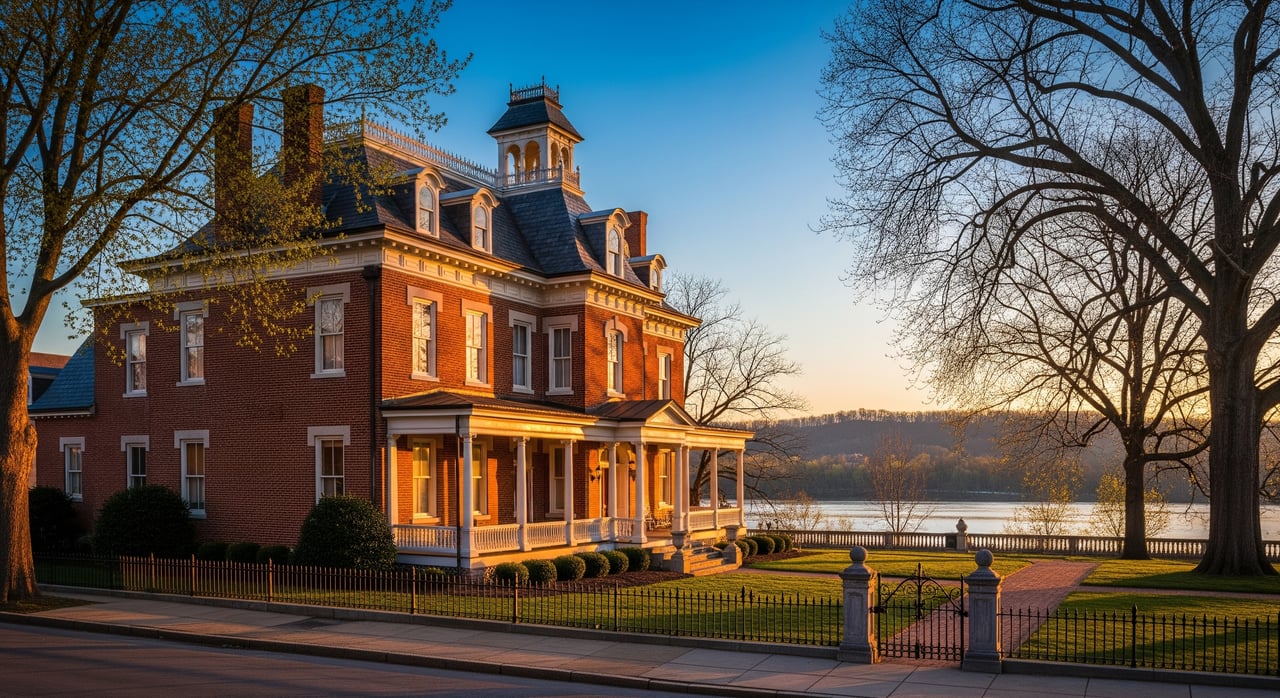
Thinking about selling a historic home in Rivermont but unsure where to price it? You are not alone. Historic houses are special, and buyers notice every detail. When you understand how condition, period‑correct updates, preservation rules, and buyer demand fit together, you can price with confidence and protect your bottom line. This guide shows you how to do exactly that. Let’s dive in.
Key value drivers in Rivermont
Rivermont is known for older, architecturally distinct homes. Original details like trim, staircases, pocket doors, stained glass, and generous porches often influence value. Proximity to downtown, parks, and nearby universities can also matter. Some buyers will pay a premium for authenticity, while others prefer modern, turnkey finishes.
To price right, focus on four variables:
- Condition of structure, systems, and finishes
- Period‑correct updates versus incompatible renovations
- Preservation overlays and design review rules
- Buyer pool size and segmentation
Each factor shapes both your likely price range and your expected time on market.
Price starts with condition
Condition is the first filter buyers use to judge value. Separate issues into two buckets: habitability and safety items, and cosmetic or efficiency items. The former carries heavier price adjustments and can impact financing and insurance. Cosmetic gaps often translate to smaller, more predictable discounts.
Structure and systems
Assess the roof, foundation or masonry, electrical, plumbing, and HVAC. Windows in older homes can be a major line item. Be transparent about any hazardous materials like lead paint or asbestos. Buyers and appraisers treat these as material factors and will price accordingly.
Cosmetic versus safety
A house that is structurally sound but cosmetically dated often sells closer to market norms. A house with system failures or water intrusion invites larger concessions. Pre‑listing inspections and contractor estimates help you quantify issues and set expectations before you list.
Period‑correct updates add reach
Buyers of historic homes want character and comfort. Updates that respect the home’s era broaden your buyer pool and support stronger pricing. Incompatible changes can limit demand and trigger discounts.
Updates that help
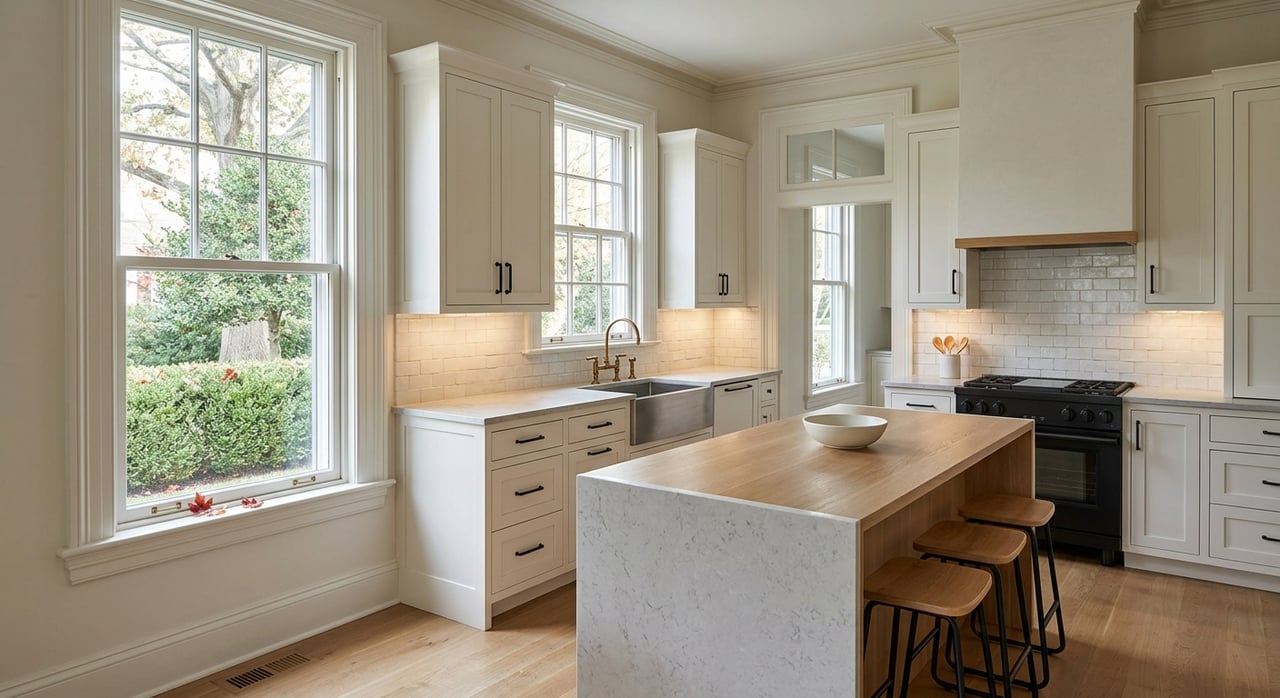
- Sensitive kitchen and bath improvements that keep original sightlines
- Reproduction or matched moldings, hardware, and lighting
- Mechanical upgrades that do not remove or block historic fabric
Fixing incompatible work
If prior renovations removed porches, covered wood detailing with vinyl, or opened the floor plan in ways that erased defining features, note cost‑to‑restore estimates. Being able to show the path back to period‑appropriate is a negotiation advantage and helps justify your asking range.
Preservation overlays and pricing
Many Rivermont homes sit within historic districts or overlays. These designations can influence exterior changes visible from the street and may involve a certificate of appropriateness for certain work. Confirm what is required with Lynchburg’s Historic Preservation Office, the Virginia Department of Historic Resources, and, if relevant, National Register guidance.
What rules mean for value
- Limits on additions or visible exterior changes can reduce value for buyers seeking major expansion.
- Protective rules help preserve the streetscape, which can support neighborhood premiums over time.
- Properties with recent approvals or documented potential to expand often justify higher pricing because future work is clearer and less risky.
Size your buyer pool
Historic buyers in Rivermont typically fall into a few groups:
- Preservation‑minded buyers who value authenticity and will invest in rehab
- Owner‑occupants seeking character with modern comforts
- Investors or developers where adaptive reuse is allowed
A specialized buyer pool can mean longer marketing times, so your pricing band should account for that. If interest is broad, you can price closer to the high end of your range and still expect solid activity.
Build Rivermont‑specific comps
Pricing historic homes is not a copy‑paste exercise. Use a comp set that mirrors your home’s era, integrity, and location blocks.
Select the right comps
- Prioritize sales within the same historic area or adjacent blocks
- Match by style or era, finished square footage, lot, and porch presence
- Weigh the degree of historic integrity, not just bed‑bath counts
Apply targeted adjustments
- Condition and systems: adjust using documented repair estimates
- Period‑correct updates: add value for sympathetic work, subtract for incompatible changes
- Livable area and utility: account for finished attic or basement and floor plan functionality
- Regulatory limits: reflect the loss or gain of potential expansion where overlays apply
Produce a price range
Use price per finished square foot from the best matches, then layer adjustments. Present a probable sale range rather than one number. Tighten the range with a pre‑listing inspection, contractor bids, and any recent approvals from local preservation staff.
Stage to honor the house
Your staging should highlight character and make rooms feel purposeful and calm. Keep interventions reversible and respectful.
- Clean and repair original elements like woodwork, hardware, and plaster
- Use a neutral, warm palette that complements historic materials
- Mix period‑sympathetic pieces with scaled contemporary furniture
- In kitchens and baths, prioritize clean, functional presentation and call out remaining period details
- Stage porches for seating, ensure safe railings and treads
- Use professional photography that captures details and the streetscape
Seller strategy and negotiations
Get ahead of concerns with documentation. Share inspection summaries, contractor estimates, photos of original features, and any certificates of appropriateness or permit history. Pricing should reflect your realistic buyer pool, not just square footage.
Use concessions wisely. Consider credits tied to documented bids, a systems warranty, or targeted repair escrows. Be clear about any design review requirements and timelines so buyers understand the path to future work.
Buyer strategy and protections
Ask for comprehensive inspections that address structure, historic materials, and defining features. Get bids for restoration or upgrades to support your offer strategy. Use inspection and repair contingencies if major unknowns exist.
If the property will be income‑producing, explore whether historic rehabilitation tax credits may apply. Confirm eligibility and timing with the appropriate state resources before you finalize an offer.
Checklist to get ready
- Assemble documents: recent appraisals or CMAs, permit history, COAs, service records, inspection reports, and photo inventory of historic features
- Gather estimates: major repair bids and cost‑to‑restore for any incompatible changes
- Consult pros: a local agent with historic experience, a historic‑savvy appraiser, and a contractor familiar with older homes
- Confirm rules: overlay boundaries, design review triggers, and typical approval timelines with local preservation staff
- Pull data: recent neighborhood sales, days on market, list‑to‑close ratios, and tax assessment and permit records
Next steps
If you want a pricing range that reflects Rivermont’s realities, start with condition, honor the house with the right updates, and show buyers a clear path forward on any required approvals. Then market the story well. With premium presentation and broad syndication, you can widen your buyer pool and strengthen your final number.
Ready for a Rivermont‑specific valuation and marketing plan? Reach out to Rucker Wynne for a focused pricing analysis, on‑site guidance, and a digital strategy that showcases your home’s historic strengths.
FAQs
How do overlays affect Rivermont resale value?
- Overlays can limit exterior changes, which may deter expansion‑focused buyers, but they also protect the streetscape, helping support long‑term neighborhood premiums.
What updates add the most value in a historic home?
- Sympathetic system upgrades and period‑correct kitchen and bath improvements usually broaden the buyer pool and support stronger pricing.
How should I choose comps for a Rivermont Victorian?
- Focus on recent sales within the same historic area, similar era and integrity, with adjustments for condition, updates, lot, and any regulatory constraints.
Do historic tax credits apply to my house?
- Federal and state rehabilitation credits typically apply to income‑producing properties; confirm eligibility and timing with the appropriate state resources.
How can I shorten days on market for a historic listing?
- Tight pricing, clear documentation, period‑respectful staging, and premium marketing exposure work together to expand your buyer pool and accelerate showings.