If you think selling your Lynchburg home means putting a sign in the yard and waiting for offers, today’s market may surprise you. Buyers are still active, but pricing, preparation, and presentation matter more when the market is closer to balanced than overheated. If you want a smoother sale and fewer last-minute problems, a clear plan can make all the difference. Let’s dive in.
Understand the Lynchburg market
Before you list, it helps to know what kind of market you are stepping into. Recent Lynchburg Association of REALTORS® data points to a relatively balanced market, not the kind of environment where almost any home sells instantly.
In February 2026, Lynchburg single-family detached homes had a median sales price of $276,950, with 159 active listings and 2.0 months of supply. The broader Lynchburg market showed a median sales price of $269,450 and 2.2 months of supply. In Q4 2025, the median sales price was $281,200 and median days on market were 16.
That means your home can still attract strong interest, but buyers often have options. A smooth sale usually comes from doing the fundamentals well from day one.
Step 1: Start with a smart consultation
Your first step should be a detailed conversation about your goals, timing, and property condition. If you are moving on a deadline, coordinating a purchase, or selling from out of town, your plan needs to reflect those realities early.
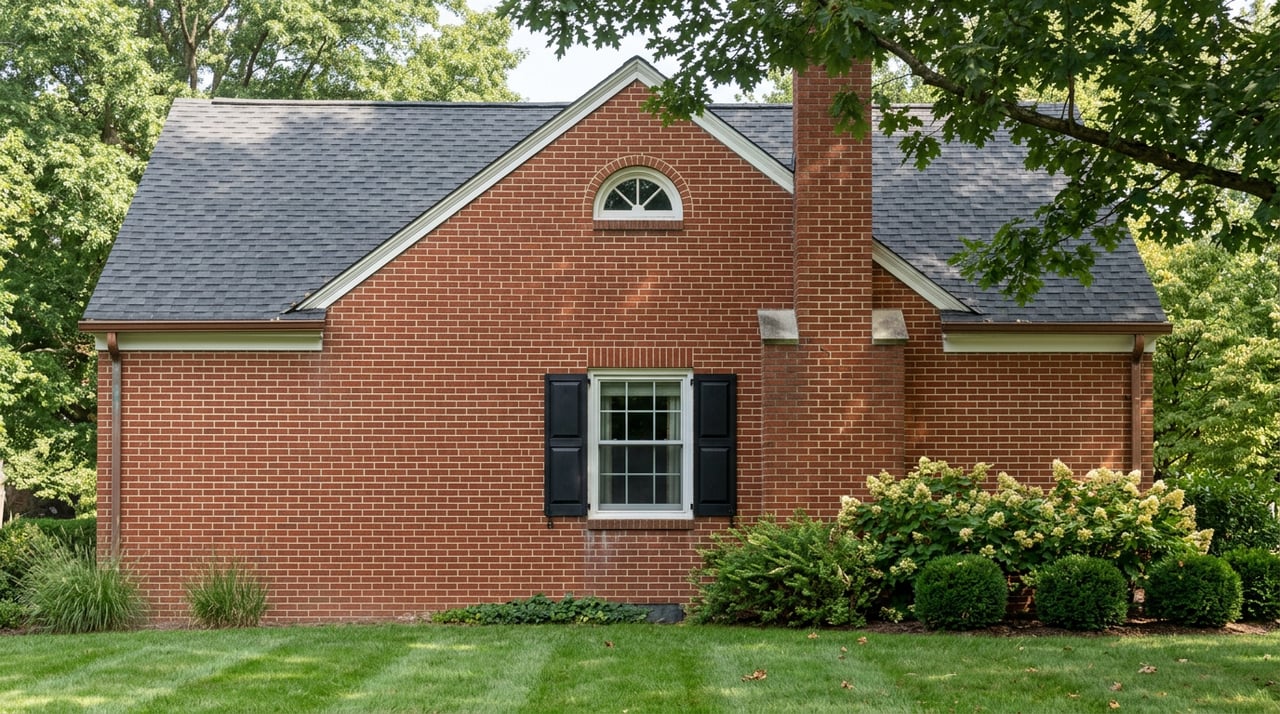
This is also the time to talk through your home’s specific selling points. In Lynchburg, that might mean original architectural details in Rivermont, flexible living space in a suburban home, or acreage and specialty features on a rural property.
A strong consultation should also map out the timeline from valuation to settlement. When you know what is coming next, the process feels much more manageable.
Step 2: Price from current comps
Pricing is one of the biggest decisions you will make. In a balanced market, overpricing can cost you valuable time and momentum.
Virginia REALTORS® reported in February 2026 that seller overpricing was a market obstacle. The same survey also showed that later deal problems often tied back to inspections and appraisals, not just price alone.
That is why pricing should be based on current comparable sales, active competition, and your home’s condition. A strong list price aims to attract serious buyers quickly, support value during the appraisal process, and create a better path to closing.
Step 3: Organize your paperwork early
A smoother sale often starts before your home ever goes live. One of the best ways to reduce stress is to build your pre-list file early.
Try to gather:
- Repair and maintenance receipts
- Permit records
- HOA documents, if applicable
- Utility or system information buyers may ask about
- Paperwork related to any recent improvements
- Historic-district records, if applicable
Virginia’s Residential Property Disclosure Statement is mainly a due-diligence notice, not a broad warranty about condition. As of July 1, 2025, the form states that owners generally make no representations or warranties on a wide range of issues and directs buyers to conduct their own inspections and due diligence.
That does not mean preparation is less important. It means buyers will often ask more questions, and being ready with records can help keep trust high and delays low.
Step 4: Know if historic-district rules apply
This step matters more in Lynchburg than many sellers realize. The city has eight local historic districts, including Rivermont, Court House Hill, Daniel’s Hill, Diamond Hill, Garland Hill, Federal Hill, Pierce Street Renaissance, and Virginia University of Lynchburg.
If your home is in a local historic district, exterior changes may require review by the city’s Historic Preservation Commission through a Certificate of Appropriateness process. In other words, if you are thinking about exterior prep work before listing, it is important to confirm what rules apply before work begins.
This is especially relevant in Rivermont, which is Lynchburg’s largest historic district with 306 buildings. For sellers of historic homes, good preparation includes both presentation and compliance.
Step 5: Declutter, repair, and stage strategically
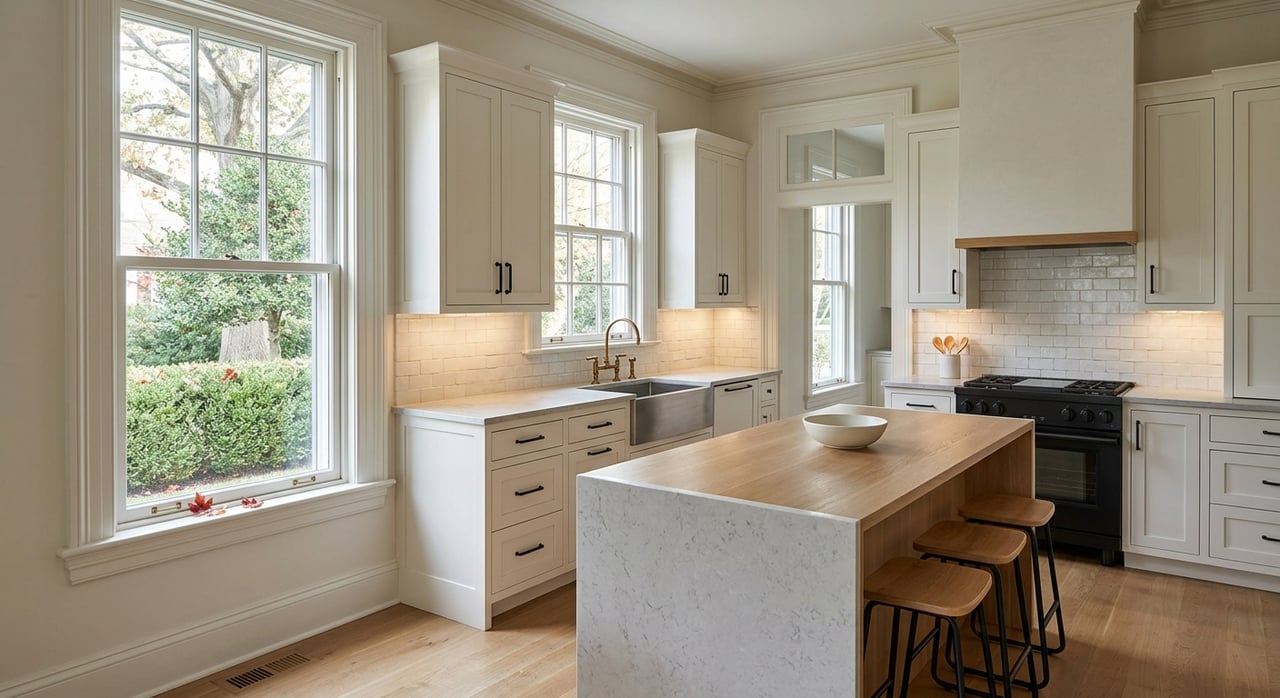
You do not always need a full redesign to make your home stand out. In many cases, smart decluttering, light staging, and fixing obvious issues can go a long way.
The National Association of REALTORS® reported in its 2025 Profile of Home Staging that 29% of agents said staging increased the dollar value offered by 1% to 10%. It also found that 49% said staging reduced time on market.
Even when full staging is not used, many sellers still benefit from simpler updates, such as:
- Removing excess furniture
- Clearing countertops and personal items
- Touching up paint where needed
- Improving lighting
- Addressing noticeable deferred maintenance
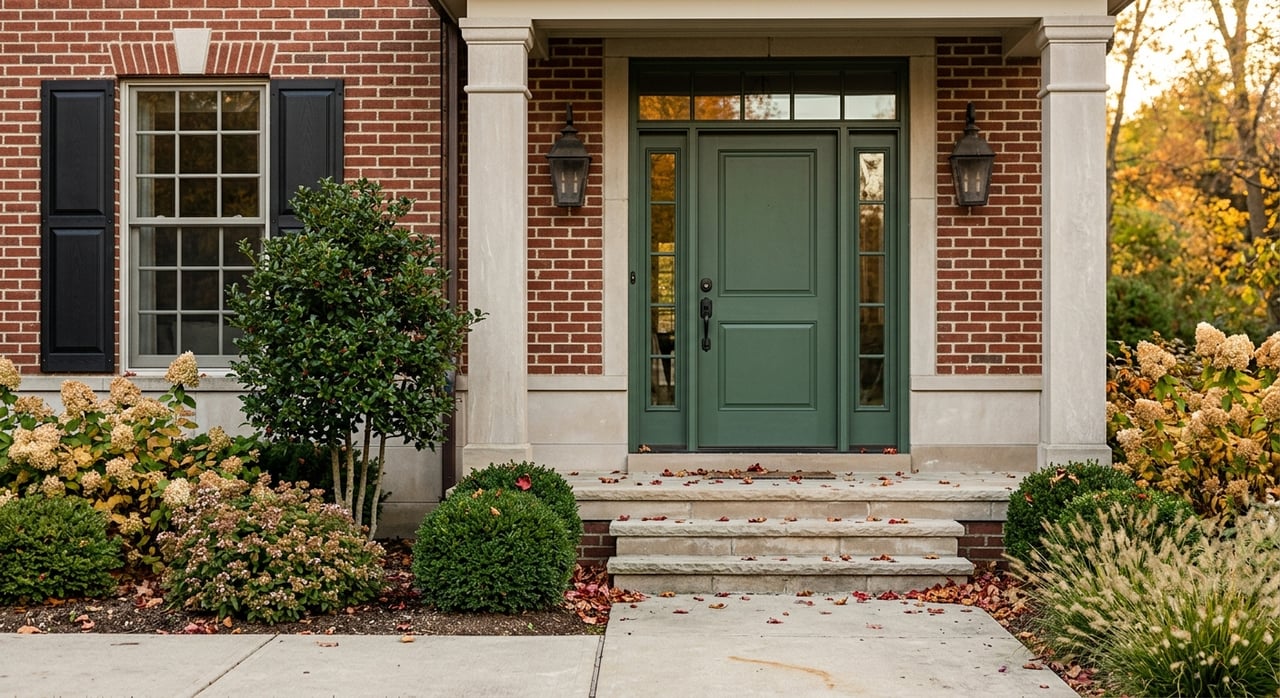
- Refreshing curb appeal
The goal is simple. You want buyers to focus on the home itself, not distractions.
Step 6: Prepare for professional media
Most buyers will see your home online before they ever step through the front door. That makes your listing photos and video one of your most important selling tools.
NAR reports that high-resolution photos and video tours are essential because most buyers shop online first. Its research also found that 81% of buyers rated listing photos as the most useful feature in their online search.
Your visual strategy should fit your property. A historic Lynchburg home may benefit from detail shots, porch views, and streetscape images that show architectural character. A suburban home may need bright interior photography, clean exterior angles, and yard images that help buyers understand layout and flow.
For sellers with busy schedules, relocation timelines, or limited availability, a modern digital launch can be especially valuable. Clear visuals help your home reach more serious buyers from the start.
Step 7: Launch with a strong showing plan
Once your listing is live, the next job is making it easy for qualified buyers to experience the home. That means thinking through showing logistics before the first request comes in.
A smooth showing plan should cover daily routines, pet arrangements, cleaning expectations, and notice preferences. If you can make showings easier without creating too much disruption in your life, you usually improve your chances of getting stronger activity early.
This is also where communication matters. Fast responses and flexible coordination can help you keep momentum when buyer interest is highest.
Step 8: Review offers beyond the price
The highest offer is not always the best offer. A smooth sale often comes from looking at the full picture.
Virginia REALTORS® found an average of 1.9 offers per transaction in February 2026, and 29% of REALTORS® reported offers above list price. Even so, sellers still need to compare more than price, including financing strength, contingencies, timing, and the buyer’s overall ability to close.
When you review offers, pay close attention to:
- Price
- Financing type and strength
- Inspection terms
- Appraisal risk
- Requested closing timeline
- Any special contingencies
A clean, well-supported offer can be worth more than a higher number with more risk attached.
Step 9: Stay ahead of inspections and appraisal
Many deals do not get stressful until after you accept an offer. That is why the next phase deserves just as much planning.
In the Virginia REALTORS® February 2026 survey, 57% of failed deals were tied to inspection issues. Another 17% were linked to low appraisals, 13% to mortgage approval problems, and 6% to title complications.
For you as a seller, the takeaway is clear. Be ready for repair requests, keep your records handy, and respond quickly when questions come up. If you have already priced carefully and organized your documents, you are in a much better position to keep the transaction moving.
Step 10: Keep closing organized
The final stretch is often about details and response time. Even a strong transaction can feel bumpy if paperwork is scattered or questions sit unanswered.
As closing approaches, keep all key documents in one place. That includes disclosures, invoices, permit records, repair receipts, and any historic-district paperwork that may help answer buyer questions.
If your home was built before 1978, be sure your lead-based paint disclosure requirements are handled properly. Virginia’s disclosure framework also makes it especially important to stay organized so the buyer can complete their due diligence without unnecessary delays.
A note on taxes
If your sale may create taxable gain, it may be worth planning ahead before closing. The IRS says many sellers of a primary residence may exclude up to $250,000 of gain, or up to $500,000 for joint filers, if ownership and use tests are met.
This is not something every seller will need to deal with, but it can be helpful to ask questions early rather than after settlement. Good planning helps you avoid surprises.
Why a step-by-step approach works
Selling smoothly is usually not about luck. It is about reducing friction at each stage, from pricing and prep to negotiation and closing.
In Lynchburg, that often means balancing smart market timing with careful local knowledge. Historic-district rules, buyer expectations, appraisal pressure, and inspection responses can all shape your outcome.
When you follow a step-by-step plan, you give yourself more control over the process. You also make it easier for buyers to feel confident saying yes.
If you are getting ready to sell in Lynchburg, working with a local professional who understands pricing, presentation, negotiation, and digital exposure can make the process far more efficient. When you are ready for a clear plan tailored to your home, schedule a consultation with Rucker Wynne.
FAQs
What is the current home selling market like in Lynchburg, VA?
- Recent Lynchburg market data points to a relatively balanced market, with 2.0 months of supply for single-family detached homes in February 2026 and a median of 16 days on market reported in Q4 2025.
What should Lynchburg home sellers do before listing a house?
- Lynchburg sellers should organize repair receipts, permits, HOA documents, and other key records early, then focus on pricing, decluttering, repairs, staging, and listing preparation.
Do historic district rules affect selling a home in Lynchburg?
- Yes. If your home is in one of Lynchburg’s local historic districts, some exterior changes may require review through the city’s Certificate of Appropriateness process before work is done.
How important are photos and video when selling a Lynchburg home?
- They are very important because most buyers start online, and NAR research found that 81% of buyers rated listing photos as the most useful feature in their online search.
What usually causes home sales to fall apart in Virginia?
- Recent Virginia REALTORS® survey data showed inspection issues were the most common reason, followed by low appraisals, mortgage approval problems, and title complications.
What disclosures do Virginia home sellers need to know about?
- Virginia uses a residential property disclosure framework that mainly directs buyers to do their own due diligence, and homes built before 1978 also require lead-based paint disclosures.