Thinking about renovating a historic Rivermont home before you sell? It is easy to assume that newer always means better, but in one of Lynchburg’s most established historic districts, that approach can backfire. If you want strong resale appeal, your goal is usually not to erase age, but to improve how the home lives while protecting the character buyers expect to see. Let’s dive in.
Why Rivermont character matters
Rivermont is Lynchburg’s largest historic district, with 306 buildings plus numerous outbuildings. It is known as Lynchburg’s first planned streetcar community and includes a mix of residential, religious, commercial, and public buildings. That historic identity is a major part of what draws buyers to the area.
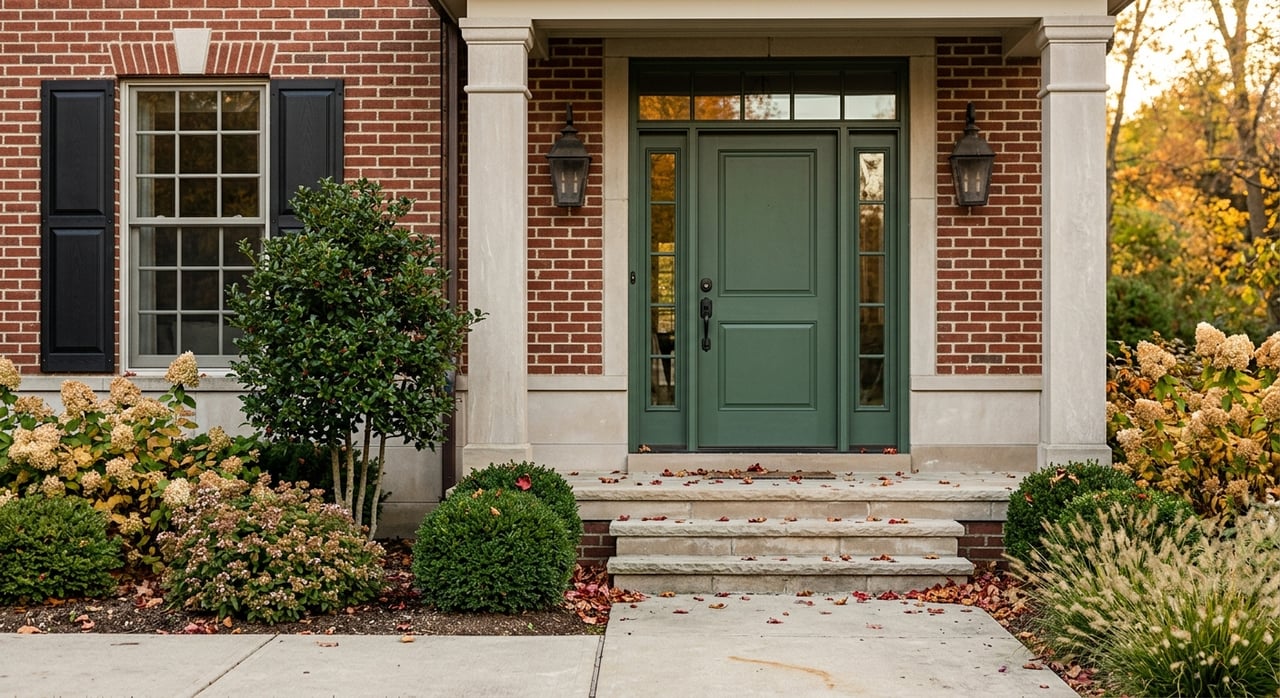
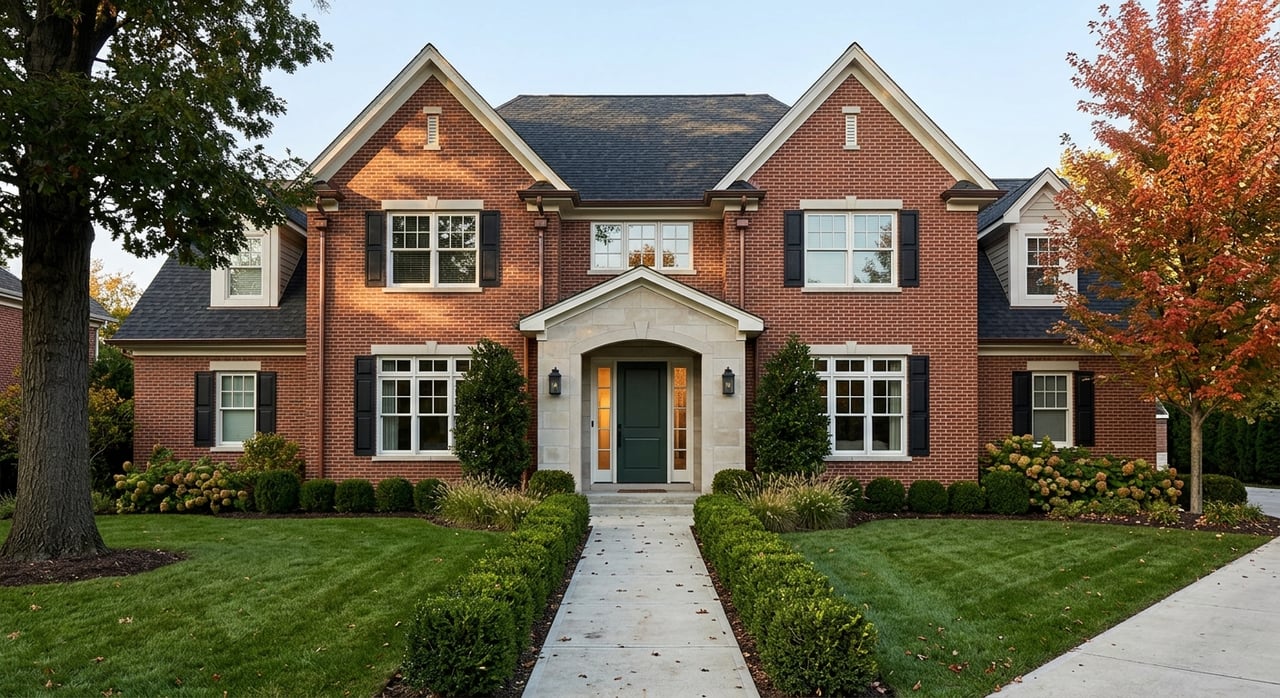
In practical terms, many Rivermont buyers are not looking for a house that feels generic. They often expect original details like front porches, double-hung sash windows, raised brick basements, interior brick chimneys, and historic roof materials such as slate or standing seam metal. When those features remain intact, the home tends to feel more connected to the district around it.
Lynchburg’s preservation program is also designed to help stabilize and improve property values. The city’s guidance favors preservation over full remodeling, especially on the parts of the home that face the street. For resale, that means the smartest renovation plan usually balances modern comfort with visible architectural character.
Focus on updates buyers notice
If resale is your priority, some projects tend to matter more than others. National remodeling data shows strong demand for kitchen upgrades and bathroom renovations, and kitchen projects rank especially high for homeowner satisfaction. Those rooms can help your home feel more functional and current without changing what makes it a Rivermont property.
That does not mean every finish has to be high-end or trendy. In a historic home, buyers often respond better to updates that feel clean, practical, and in step with the house rather than overly flashy. A polished kitchen and refreshed baths can improve day-to-day appeal while still letting original trim, layout, or architectural details carry the personality.
Kitchen improvements with resale appeal
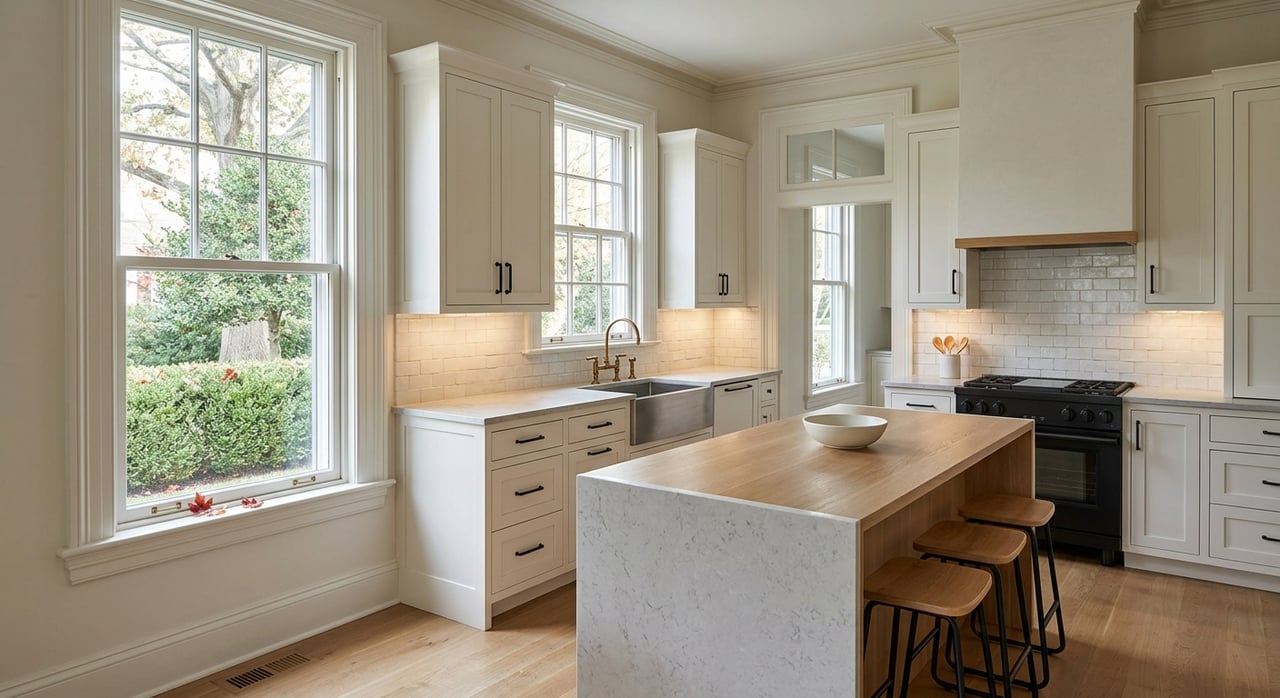
A resale-minded kitchen renovation should make the space work better while respecting the age of the home. Better storage, updated surfaces, improved lighting, and more efficient appliances can all help. The key is avoiding a result that feels disconnected from the rest of the house.
If your home has original millwork, older room proportions, or visible historic details nearby, keep those in mind when selecting finishes. Buyers in Rivermont often appreciate a home that feels thoughtfully updated rather than stripped down and rebuilt to match a generic new-construction look.
Bathroom upgrades that feel appropriate
Bathrooms are another smart place to invest. Updated fixtures, improved lighting, refreshed tile, and better ventilation can make an older home feel easier to maintain and more comfortable to use. Those improvements can matter a lot when buyers compare a historic property with other options on the market.
At the same time, consistency matters. Finishes that complement the home’s style often read better than designs that feel overly stark or temporary. When the bathroom feels updated but still fits the house, the entire property tends to show better.
Protect the exterior first
In Rivermont, exterior choices often carry outsized weight because the front-facing parts of the house define so much of its character. Lynchburg’s residential design guidelines say owners should first consider preserving, maintaining, and repairing original features. Replacement should generally come only when necessary, and then as a like-for-like match when possible.
For resale, this is more than a preservation issue. It is also a buyer-perception issue. When porch details, trim, windows, rooflines, and other visible elements look authentic and well cared for, buyers are more likely to see the home as both special and properly maintained.
Porches, trim, and street-facing details
Front porches and decorative trim help define many Rivermont homes. If those areas need work, repair is often the best first move. A well-kept porch can shape a buyer’s impression before they ever step inside.
Street-facing features also deserve extra caution because Lynchburg’s guidelines place the most importance on the front facade. If you are deciding where to spend renovation dollars, visible exterior maintenance can support both curb appeal and long-term value.
Windows and roof decisions
Windows and roofs deserve careful planning in any historic district. Guidance from the National Park Service says historic windows should be repaired whenever possible, and if replacement is necessary, the new windows should match the originals in design, color, texture, and, where possible, materials.
Lynchburg’s guidance takes a similar approach with roofs. Original roof forms should be preserved, and changes like dormers or skylights are best placed on rear or secondary rooflines that are not prominent from the street. If you are renovating for resale, these are not the places to make rushed design decisions.
Add comfort without hurting character
Older homes can benefit from energy-efficiency upgrades, especially when comfort is a concern. Remodeling data shows that some homeowners renovate specifically to improve energy efficiency. In a house that may have drafts or uneven temperatures, that can be a meaningful selling point.
The most resale-friendly approach is usually one that improves performance without changing the exterior appearance. A whole-house weatherization strategy can include an energy audit, air sealing, insulation, moisture control, and ventilation. In a historic Rivermont home, that type of behind-the-scenes work can make the property more comfortable while preserving the facade buyers came to see.
Use the rear for flexibility
Not every improvement needs to be invisible, but placement matters. Lynchburg’s guidelines note that the rear of the building usually offers more flexibility for additions or alterations. That is because the front facade often contains the home’s most defining details.
If you are considering expanded living space, a new exterior feature, or another visible change, the rear of the home may offer a more resale-friendly path. It can allow you to add function without weakening the architectural presence that helps the home stand out in Rivermont.
Understand Lynchburg’s review process
Before starting exterior work, make sure you understand the city’s historic review requirements. In Lynchburg’s local historic districts, a Certificate of Appropriateness is required before a building can be erected, reconstructed, restored, demolished, or altered in a way that affects its external appearance. A building or demolition permit will not be issued until the COA is approved.
Some minor work may be handled administratively, such as repainting, changing storm windows or doors, or making repairs with like materials and like designs. Even then, exterior work is still reviewed for compatibility. If your project affects what people see from the outside, plan for review early.
Timing your project correctly
The order of operations matters. Lynchburg says COA applications should be submitted at least 15 days before a regularly scheduled Historic Preservation Commission meeting. There is no application fee, and the applicant or representative is expected to attend to answer questions.
The city also notes that other permits may still be required for renovation work, small repairs, HVAC replacement, plumbing and electrical fixtures, demolition, or moving a structure. Since permits are not issued until city reviews are complete, poor planning can delay your timeline and your eventual listing date.
Choose the right contractor
Historic-home renovations call for more than a general promise of quality work. In Virginia, a contractor’s license class determines the size of projects they may perform, while the classification or specialty determines the type of work they can legally do. That makes contractor vetting especially important before you commit.
For your renovation, verify both the contractor’s state license and the exact specialty that fits your scope of work. In Lynchburg, local licensing compliance also matters where the work is performed. A contractor who understands both historic-house details and the local approval process can help you avoid expensive missteps.
Think about resale over renovation trends
A resale-minded renovation is not just about what looks current today. It is about what will still make sense to a future buyer standing in your front yard or walking through your kitchen. In Rivermont, that often means preserving the elements that make the house recognizable as part of the district while updating the spaces and systems buyers use most.
There is also evidence that well-executed rehabilitation can support neighborhood appeal more broadly. Virginia data summarized by the Bureau of Economic Analysis found that homes near rehabilitative tax credit projects sold at a premium. That does not guarantee the same result for every project, but it supports the value of visible, compatible restoration in historic areas.
Know where tax credits may apply
If you are exploring a larger project, tax credits may come up in the conversation. The Virginia Department of Historic Resources says the state historic rehabilitation tax credit equals 25% of eligible expenses. The federal program offers a 20% credit for qualifying income-producing historic buildings.
That distinction matters because owner-occupied residential properties do not qualify for the federal rehabilitation tax credit. If your property is not income-producing, do not assume both programs apply. Eligibility depends on the property and the use, so it is important to evaluate that early if incentives are part of your planning.
Build a smart Rivermont renovation plan
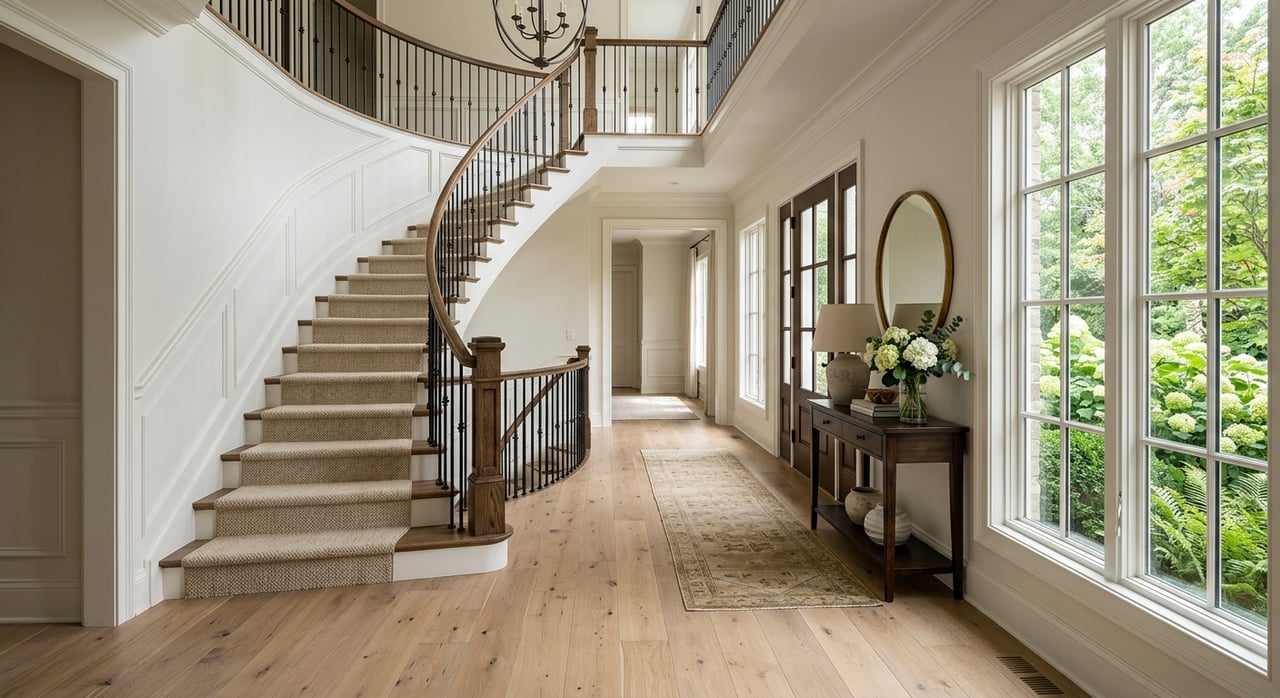
The best Rivermont renovations usually do three things well. They modernize key interiors, improve comfort and function, and protect the visible features that tie the home to the district’s history. That balance can help your property appeal to buyers who want character without taking on every challenge of an untouched older house.
If you are renovating with resale in mind, start with a clear plan before spending on finishes or demolition. Think about how each choice will read to a future buyer, how it fits Lynchburg’s historic guidance, and whether it strengthens the home’s identity instead of diluting it. In a neighborhood like Rivermont, thoughtful restraint can be one of the most valuable upgrades of all.
When you are ready to plan updates, price your home, or map out a smart listing strategy in Rivermont, Rucker Wynne can help you make decisions with resale in mind.
FAQs
What renovations add the most resale appeal in a Rivermont home?
- Kitchen upgrades, bathroom renovations, energy-efficiency improvements, and careful preservation of historic exterior features are among the most resale-friendly updates supported by the research.
Do you need approval for exterior changes in Rivermont, Lynchburg?
- Yes. In Lynchburg’s local historic districts, exterior work that changes a building’s appearance generally requires a Certificate of Appropriateness before permits are issued.
Should you replace original windows in a historic Rivermont house?
- Repair is usually the preferred first option. If replacement is necessary, the new windows should closely match the originals in design, color, texture, and, when possible, materials.
Where should additions go on a historic Rivermont home?
- Lynchburg’s design guidance says the rear of the building usually offers the most flexibility for additions or alterations because the front facade often holds the most defining historic features.
Do owner-occupied Rivermont homes qualify for the federal historic tax credit?
- No. The federal rehabilitation tax credit applies to qualifying income-producing historic buildings, not owner-occupied residential properties.