Do you want a historic neighborhood with leafy streets, river access, and a quick hop to downtown? Rivermont might be exactly what you have in mind. You get character, convenience, and a calm residential feel in one place. In this guide, you’ll learn what day-to-day life looks like, the types of homes you’ll find, key buyer considerations for older properties, and how to check rules like historic district guidelines and flood zones. Let’s dive in.
Where Rivermont sits
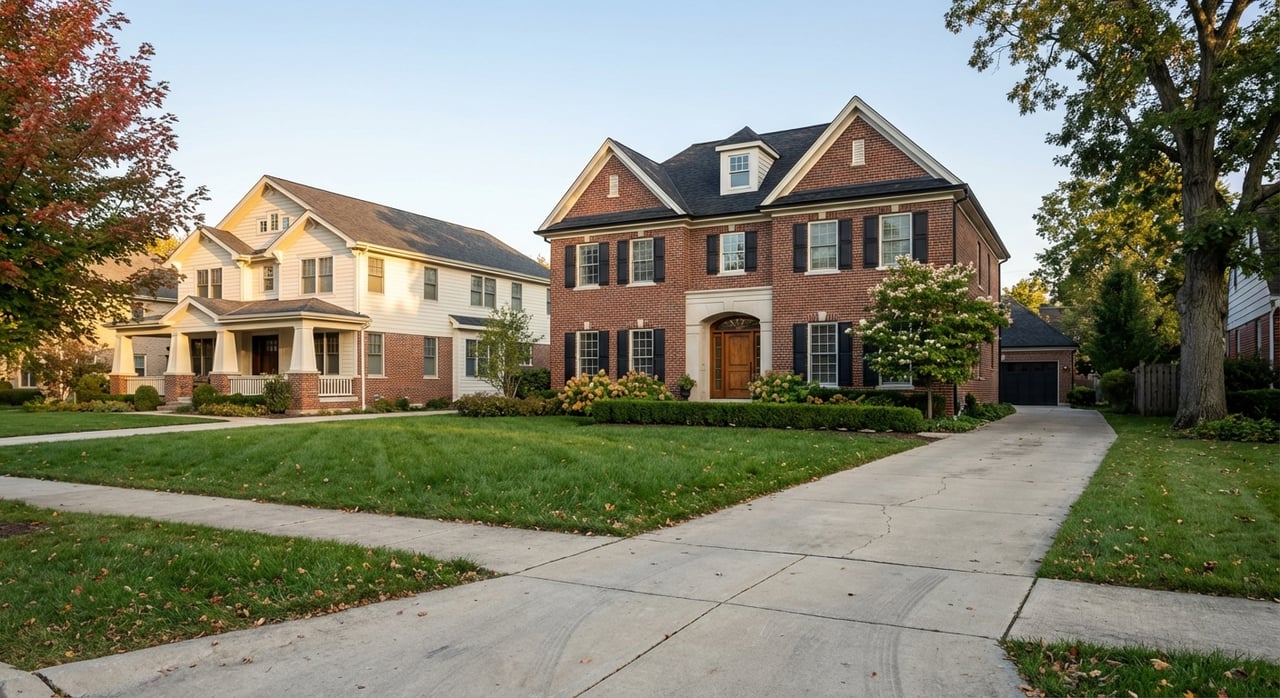
Rivermont stretches along the north bank of the James River and centers on Rivermont Avenue with streets branching from it. You are close to downtown Lynchburg, which sits just across the river. Streets are tree lined with older urban lots and sidewalks, which makes short walks to local spots a regular part of life. Many residents value the neighborhood’s direct access to city amenities with a quieter, residential pace at home.
Everyday lifestyle
Local feel and amenities
Rivermont is primarily residential with small restaurants, cafés, and shops clustered along Rivermont Avenue and nearby downtown streets. You can expect a mix of long-term residents and newer buyers who appreciate proximity to the river and historic architecture. Daily needs like groceries, pharmacies, and basic services are available nearby or in downtown, and larger shopping areas are a short drive away.
Downtown access and transit
The commute to the central business district is typically short by car, and many residents walk or bike to downtown jobs and events. Public transit service is provided by the Greater Lynchburg Transit Company. If bus access matters to your routine, check current GLTC routes and schedules for stops through or near Rivermont.
Parks and the James River
The James River shapes the neighborhood’s lifestyle. You will find riverfront trails, canoe and kayak access, and riverside parks within reach. Local trail maps and the city’s greenways plan can help you visualize connections along the river and into downtown. The James River Association is also a helpful resource for access points and conservation information.
Homes and architecture
Common home types
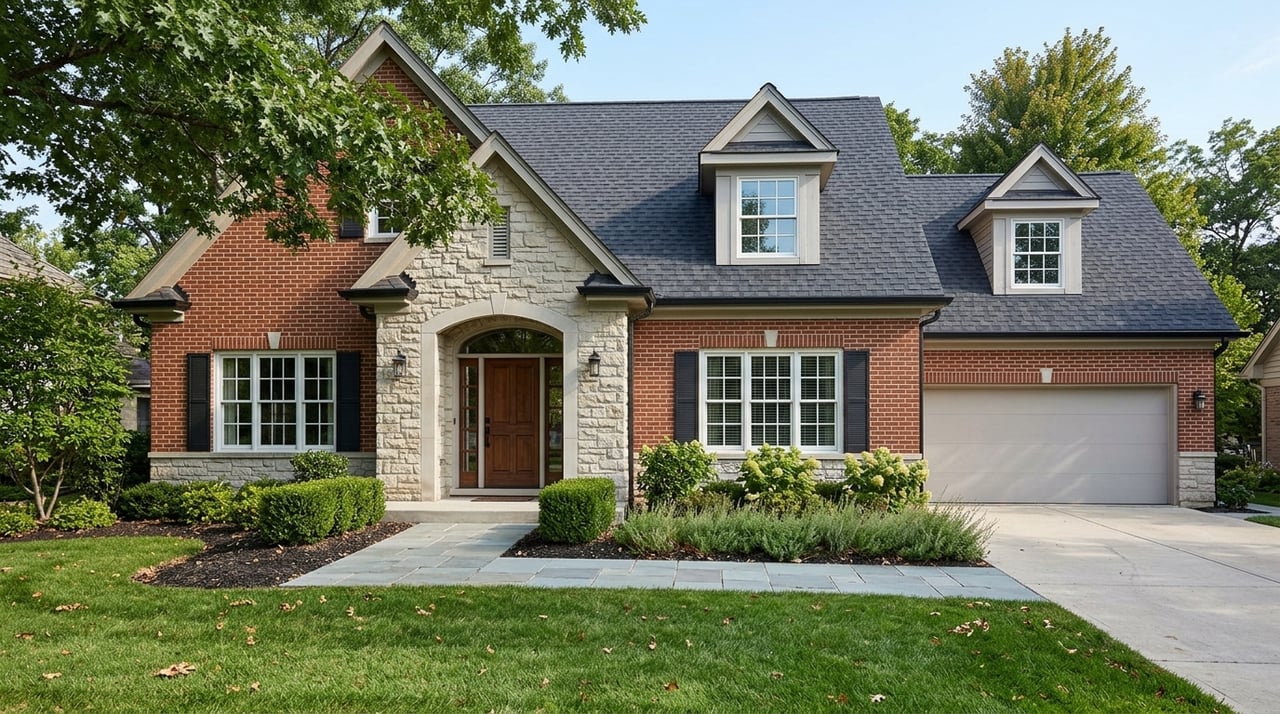
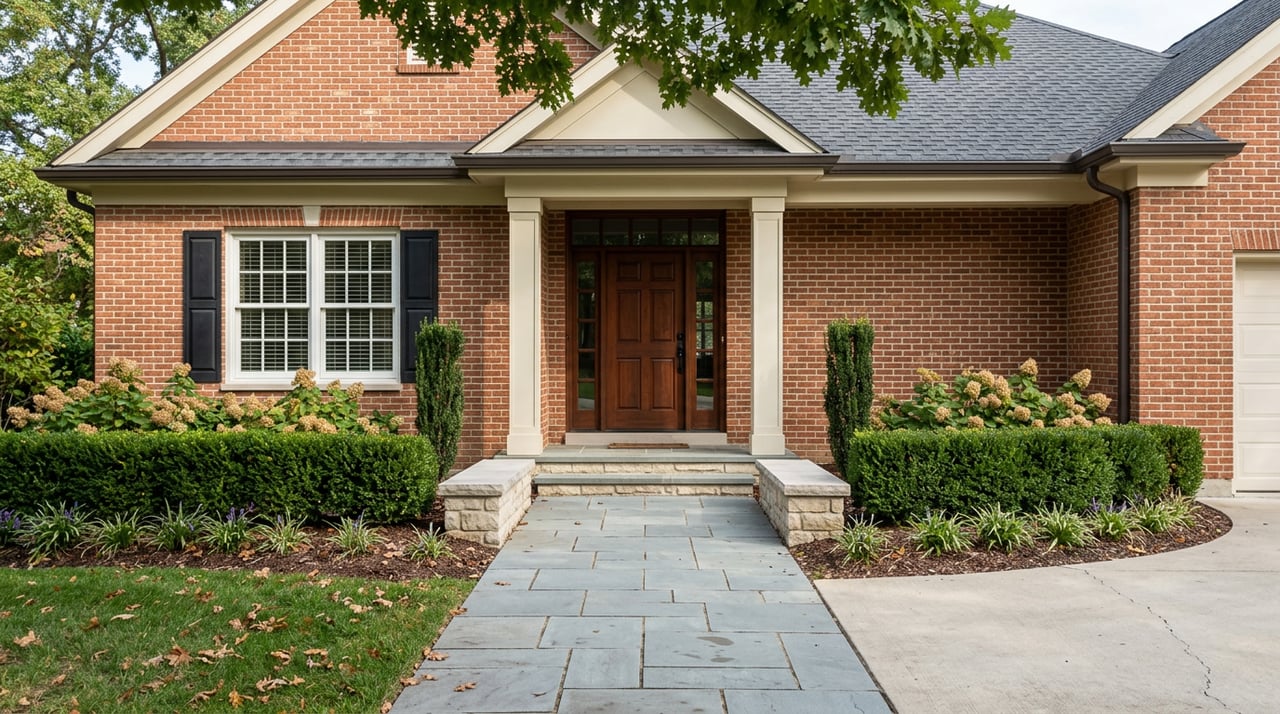
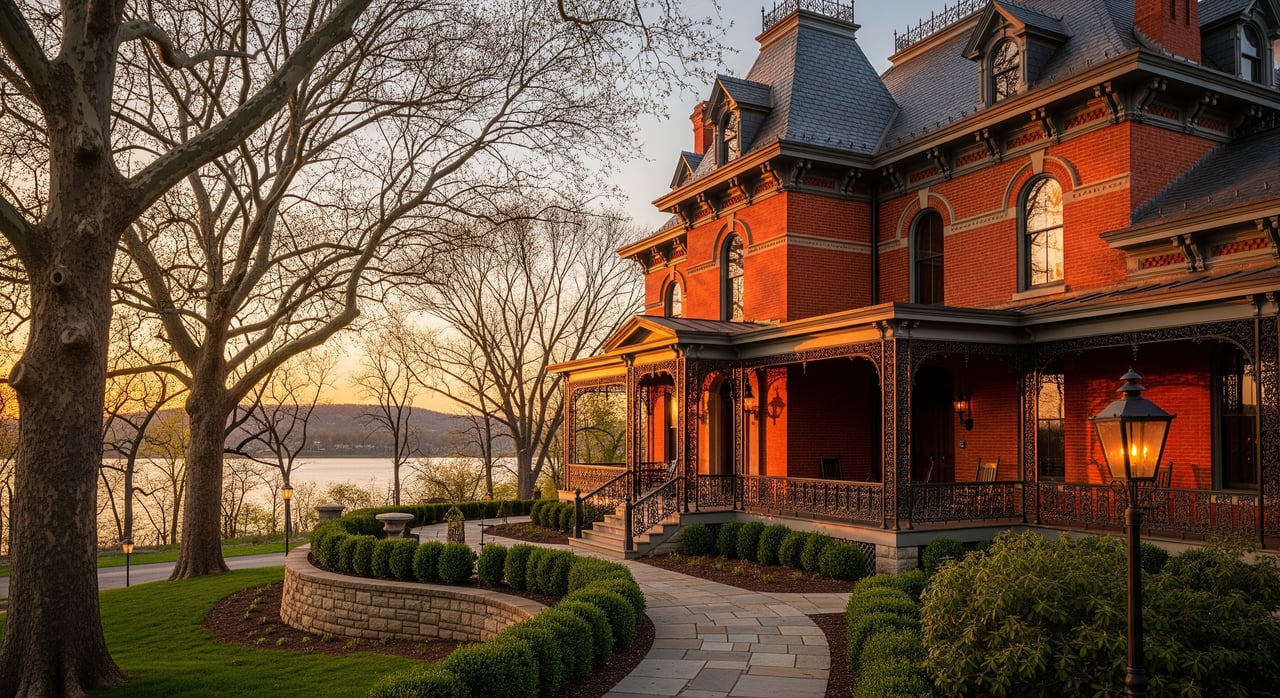
Housing in Rivermont leans historic. You will see detached single-family homes, two- and three-story historic houses, and some small multi-family buildings or homes converted to apartments. Architectural styles often include Victorian-era forms like Queen Anne and Italianate, plus Colonial Revival, American Foursquare, Craftsman, and bungalow designs that reflect late 19th and early 20th century growth. If you want deeper detail on style and streetscape, review the Rivermont Historic District documentation on the National Register of Historic Places.
What to expect in older construction
With many homes built in the late 1800s to early 1900s, plan for materials and systems that reflect their age. You may find plaster walls, original wood floors, brick foundations, and masonry chimneys. Inspections often flag roof age, foundation movement, older wiring types (including knob-and-tube), galvanized plumbing, HVAC age, and insulation gaps. Historic windows are common. You will balance energy efficiency goals with preservation of original features.
Market snapshot and how to check prices
Market conditions shift, so static figures age quickly. To understand pricing and tempo today, rely on current data from the local MLS, recent sales from the city assessor, and trend tools. A strong approach is to compare Rivermont’s current median sale price from MLS against Lynchburg citywide medians. This gives you a sense of relative affordability, inventory, and typical days on market. If you want an on-the-ground read with context by street or micro-pocket, work with an agent who can pull and interpret neighborhood-level comps in real time.
Historic district basics
A portion of Rivermont is recognized on the National Register of Historic Places, which is an honor and a research resource. It is important to understand that National Register status is different from a local historic district. Local designation, if present at your address, may require design review for exterior changes and can affect timelines for projects like window replacements, additions, and porch work. Before you move forward with renovations, confirm whether your property is inside a locally regulated district using City of Lynchburg historic district maps and design guidelines. If you plan a substantial rehab, explore potential state or federal historic rehabilitation tax credits through the Virginia Department of Historic Resources and the city’s planning staff. Eligibility depends on property status and project scope.
Floodplain and insurance
Proximity to the James River is a plus for recreation, but it also means you should check flood risk for any specific address. Review FEMA Flood Insurance Rate Maps and the city’s GIS or floodplain administration resources for precise boundaries and elevation data. If a home sits within certain FEMA zones, lenders may require flood insurance, which affects carrying costs. A surveyor or the city can help you obtain elevation certificates when needed.
Getting around and commute
Rivermont’s pedestrian-friendly blocks make short errands and dog walks easy. Cycling to downtown is common for some residents. If you commute by car, count on quick access to downtown business, dining, and cultural venues. For car-light living, confirm GLTC bus frequency and stop locations near your most used routes.
Schools, services, and healthcare
Rivermont addresses are served by Lynchburg City Schools. School boundaries can change, so always confirm assignments with the district’s boundary maps or by contacting LCS directly. For everyday needs, you will find groceries, pharmacies, and local retail close by, and medical services are available in nearby hospitals and clinics within the city. If access to specific providers is a priority, map your regular destinations and verify drive times during your usual travel hours.
Buyer checklist for Rivermont homes
Use this list to focus your search and due diligence:
- Structure and moisture: Inspect brick or stone foundations, look for signs of settlement, and check basements or crawlspaces for moisture.
- Roof and exterior envelope: Confirm roof age and flashing, evaluate exterior siding and paint, and assess historic windows for condition and weatherization.
- Systems and safety: Review electrical capacity and panel conditions, identify knob-and-tube or ungrounded circuits, test plumbing for leaks and material type, and note HVAC age and service history.
- Environmental items: Test for lead-based paint and asbestos before renovations. Consider a radon test based on local inspector guidance.
- Historic rules: Verify if your address is in a local historic district and whether your planned work requires design review.
- Flood zone: Check FEMA maps and the city’s floodplain resources. Ask about elevation certificates and insurance requirements.
- Zoning and use: Confirm zoning for single-family or multi-family use and the status of any accessory units.
- Utilities and carrying costs: Ask sellers for average utilities. Review the city assessor site for property taxes and assessed values.
- Parking and access: Evaluate street or off-street parking. Check sidewalks, bike routes, and your preferred transit options.
- Market context: Use MLS data to understand recent comps on your target blocks and where list-to-sale ratios are trending.
Is Rivermont a fit for you?
Choose Rivermont if you value historic architecture, river access, and quick proximity to downtown in a residential setting. You get a neighborhood with character and options, from grand historic houses to smaller bungalows and multi-family conversions. With older homes, plan for thoughtful inspections and possibly phased updates that respect the property’s fabric. If you want a local partner who understands these nuances and can negotiate strongly in a shifting market, you will benefit from expert guidance.
Ready to explore homes or get a tailored market brief? Reach out to Rucker Wynne to discuss your plans and see what is possible.
FAQs
What is Rivermont in Lynchburg known for?
- A residential neighborhood along the James River with tree-lined streets, historic homes, and close access to downtown amenities.
Are there historic district rules in Rivermont?
- Parts of Rivermont have National Register recognition and some areas may fall under local historic district review, so confirm your address with the city before exterior changes.
How close is Rivermont to downtown Lynchburg?
- The neighborhood sits near downtown across the river, with short driving times and walking or biking access for many residents.
Does Rivermont offer river access and trails?
- Yes, the James River corridor provides riverfront trails, paddling access points, and greenway connections identified by city plans and regional partners.
What should I check when buying an older Rivermont home?
- Focus on foundation, roof, historic windows, electrical and plumbing systems, HVAC, insulation, and potential lead paint or asbestos.
Could a Rivermont home require flood insurance?
- If a property lies in certain FEMA flood zones, lenders may require flood insurance, so verify the exact floodplain status for the address.
How can I find current Rivermont home prices?
- Use MLS data for recent sales and compare Rivermont medians to citywide medians, then review street-level comps with an experienced local agent.
Which public schools serve Rivermont addresses?
- Lynchburg City Schools serves the area, and exact assignments should be confirmed with the district’s official boundary maps or by contacting LCS.