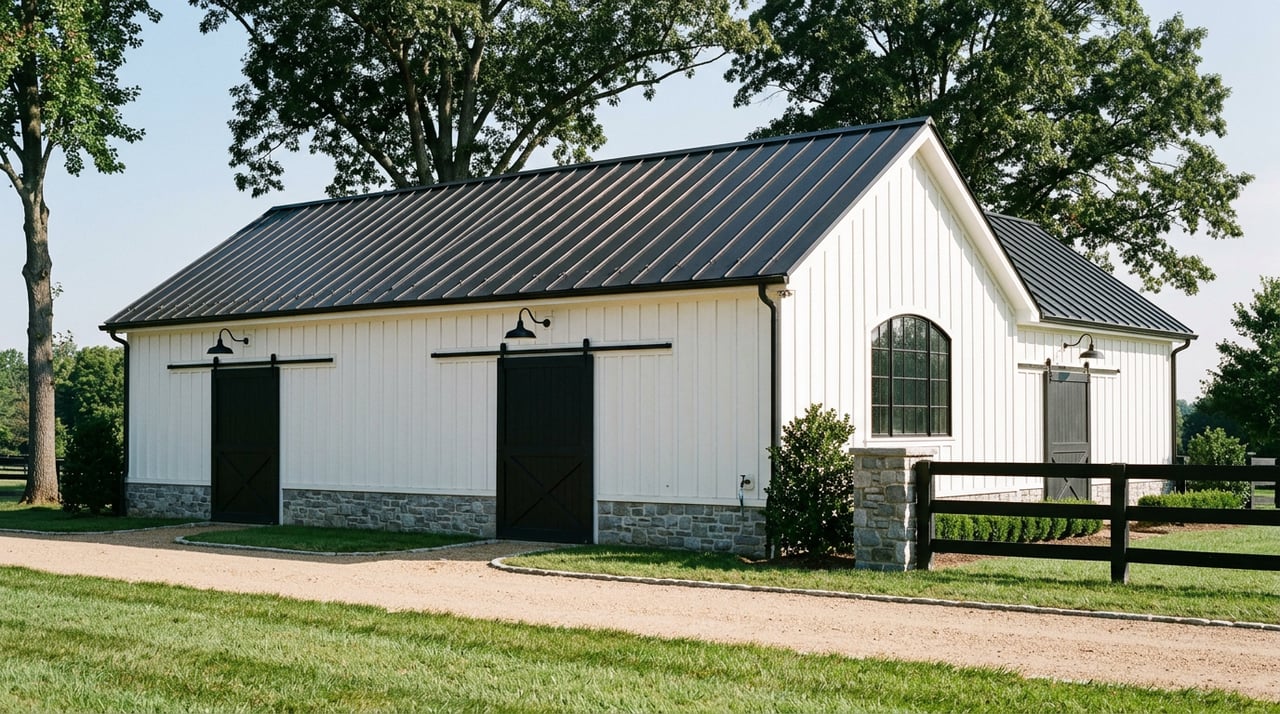
Ever dream of waking up to the soft nickers of your horses and mountain views just beyond the fence line? Buying horse property around Bedford can make that lifestyle real, but it comes with unique decisions. You want land that works, a barn that is safe, and a layout that keeps daily chores simple. In this guide, you’ll learn what to check first, which specialists to hire, and the practical red flags that can save you time and money. Let’s dive in.
Start with zoning, permits, and access
Before you fall in love with a barn or a view, confirm what you can legally do on the property. Bedford County regulates accessory structures, fencing, and many changes of use. Review the parcel’s zoning district, setbacks, and any overlay districts early, and contact the county Planning and Zoning office with questions. You can start on the county’s Planning and Zoning page for rules and contacts, and review the ordinance text for your parcel’s district. The ordinance lists a 25 ft side and rear setback for accessory structures in several districts, which can affect where you place barns and sheds. Read the county’s resources on permitted uses and setbacks before making an offer. Visit the Bedford County Planning and Zoning page and the county zoning ordinance for details.
- Check whether existing barns were permitted and are considered legal existing structures.
- Look for overlays such as shoreline, park, airport, or flood corridors.
- Ask about any recorded proffers or special use permits tied to the parcel.
Driveway access matters too. If your driveway connects to a state road, Virginia typically requires a VDOT land use or entrance permit for construction in the right of way. That can change your gate location, sight distance, and whether a shared entrance is needed. Ask the seller for any existing entrance permits and assess sight lines and utilities near the entrance. Review Virginia’s entrance permit rules for context.
Finally, confirm utilities and environmental health items. The local VDH Environmental Health office handles private well and onsite septic permits and can verify records on existing systems. During due diligence, plan a well yield and water quality test, and a septic feasibility review with a licensed onsite soil evaluator if you plan changes or expansion. Start with the VDH Central Virginia Environmental Health program for guidance.
Floodplain and wetlands
Floodplain maps are not just for riverfront parcels. Even small streams can bring permitting limits and insurance costs. Use Virginia’s Flood Risk Information System and FEMA maps to check for Special Flood Hazard Areas. If mapped floodplain covers parts of your usable pasture, you may face building limits or need flood insurance. For sites near streams or potential wetlands, ask your agent to coordinate with local planners early.
Land use tax program
If the acreage is in agricultural production or timber, ask whether it is enrolled in Virginia’s use value land use taxation. Enrollment can reduce property taxes but roll back taxes may apply if you change the use. Read the Code of Virginia’s land use assessment provisions and confirm eligibility and deadlines with the county Commissioner of the Revenue.
Land, soils, water, and pasture
How many acres per horse
A common planning rule of thumb is about 2 to 3 acres per horse when pasture is a primary feed source. This is only a starting point. Your true acreage needs depend on pasture productivity, slope, soil fertility, and how much hay you plan to feed. In Central Virginia, cool season forages like tall fescue and orchardgrass perform well, but you should still plan to feed hay in winter and rotate paddocks to protect grass. Review extension guidance on stocking rates and pasture management to right size your plan.
Read the soils before you visit
Soils drive both pasture health and septic feasibility. Shallow bedrock, seasonal high water tables, and hydric soils can limit your usable area and raise costs for grading or septic. Use the Bedford County Public GIS Viewer to preview parcel shape, topography layers, and flood overlays before a showing. Then, if you move forward, hire a licensed evaluator to probe soils for septic and confirm a replacement area. A targeted soils review protects your budget and helps you design paddocks that drain well.
Water supply and ponds
If public water is not available, ask for private well construction records and prior pump tests. Plan to test yield and water quality during due diligence. For planned ponds or irrigation pulls, coordinate early with county planners about buffers and any dam considerations. Your equine vet can also advise on water needs per horse during peak season.
Barns, safety, and day to day flow
Evaluate the barn like a system
Walk the barn with a practical checklist. Look at stall dimensions, aisle width, and ventilation. Check for a separate, dry, well ventilated hay storage area, a tack and feed room with secure storage, wash rack with proper drainage, and safe electrical service. Older barns sometimes hide structural rot or dated wiring. Plan a structural and electrical inspection by qualified professionals. This is about safety, insurance, and daily convenience.
Hay moisture and fire prevention
Hay stored too wet can overheat and ignite. Extension guidance advises not storing hay above roughly 20 to 25 percent moisture and monitoring internal stack temperatures during the first 4 to 8 weeks. If temperatures approach the danger range around 150 to 160°F, you need to act and often involve the fire department. Keep hay storage separate from stalls when possible, maintain clear exits, and keep halters and lead ropes accessible. Read University of Kentucky’s hay heating and fire prevention guidance for best practices.
Manure and heavy use areas
Good manure management reduces odor and protects water quality. Plan for a storage or composting area set back from streams and consider a heavy use sacrifice lot for wet seasons. Local extension can advise on best management practices and potential cost share for surfaces, composting, and buffers.
Fencing and turnout layout
Safer fence types and key dimensions
There is no single best fence, but the safest options are visible and smooth on the horse side. Common choices include board or post and rail, vinyl rail, pipe rail, and high tensile smooth wire with visibility aids. Many extension guides recommend a 4.5 to 5 foot minimum height for perimeter fencing. Brace corners and gates well, and size equipment gates with trailer access in mind. Learn more from Penn State’s fence planning guide.
Paddock placement and access
Place daily turnout paddocks close to the barn to shorten chores. Add an all weather sacrifice or dry lot to protect grass during wet or dormant periods. Set up cross fencing for rotational grazing and a separate quarantine space. Check trailer access along the entire route to the barn. Gate swing, latch hardware, and turn radii all affect safety when you are handling horses or moving equipment.
Due diligence and your inspection plan
Who to bring
Build a small team during your contract window:
- Licensed onsite soil evaluator for septic feasibility and setbacks, or consult the local VDH office for permit records. See the VDH Environmental Health program for contacts.
- Well professional for yield and water quality testing.
- Structural barn inspector or engineer and a licensed electrician.
- Equine veterinarian to assess handling areas and herd needs.
- Experienced fence contractor for safety and layout.
- Licensed land surveyor to verify boundaries, easements, and usable acreage.
Red flags that deserve caution
- Failing septic with no feasible replacement area or a well that does not meet yield or quality needs.
- Significant usable pasture mapped in floodplain that limits turnout or future buildings.
- Barn wiring that is outdated, signs of prior electrical issues, or hay stored in a hot, unventilated loft.
- Narrow or obstructed access that prevents trailer movement or requires costly VDOT conditions.
Contract checklist in practical order
- Pre showing screen: parcel zoning, county GIS flood layer, existing septic and well records, VDOT entrance status, and any recorded easements or covenants.
- At the showing: walk paddocks and note slopes, drainage, bare spots, manure areas, fence condition, gate widths, hay storage location, and trailer access.
- After ratification: schedule septic soil evaluation and perc test, well yield and water quality, barn structural and electrical inspections, and a boundary survey. Build contingencies for septic or well infeasibility and significant barn hazards.
- Future plans: if you want to add stables, an arena, or operate a boarding or lesson program, review county use tables and any special permit requirements with Planning and Zoning.
Who to call in Bedford County
- Bedford County Planning and Zoning for zoning, setbacks, site plans, and permits. Visit the Planning and Zoning page.
- VDH Environmental Health for septic and private well permitting and records. Start with the Central Virginia Environmental Health program.
- Bedford County Public GIS Viewer to preview parcel boundaries, flood overlays, and dimensions.
- Virginia Cooperative Extension, Bedford office for local pasture, forage, and contractor guidance.
Buying horse property is part lifestyle and part logistics. When you match good soils and water with safe barns, smart fencing, and clear permits, daily life gets easier and your horses thrive. If you want a local guide who understands equestrian operations and Bedford’s rules, reach out to schedule a consult with Rucker Wynne.
FAQs
What should I check first when touring a Bedford horse property?
- Confirm zoning and permitted uses, look up flood layers on the county GIS viewer, verify well and septic records with VDH, and ask about any VDOT entrance permits.
How many acres do I need per horse in Bedford’s climate?
- Plan around 2 to 3 acres per horse as a starting point, then adjust for pasture productivity, rotation plans, and winter hay feeding.
Do I need a permit for a new driveway gate on a state road?
- If your driveway connects to a state maintained road, VDOT typically requires an entrance permit for work in the right of way, which can affect gate location and sight distance.
What barn features matter most for safety?
- Safe electrical service, dry and separate hay storage, good ventilation, clear exits, and appropriate stall and aisle dimensions are top priorities.
Which fences are safest for horses?
- Visible, smooth fencing such as board or vinyl rail, pipe rail, or high tensile smooth wire with visibility aids, installed at 4.5 to 5 feet for perimeters, is commonly recommended.
Who can help me design a pasture plan for Bedford?
- Contact the Bedford office of Virginia Cooperative Extension for local forage options, rotational grazing plans, and soil fertility recommendations.